A Brain & Body Approach to Migraine, Headaches & Complex Conditions
More headache-free days. More capacity for life.
SPECIALTY MIGRAINE, HEADACHE, & TMJ CARE IN GREENSBORO & THE TRIAD
CARE FOR THE BIGGER PICTURE
It’s not just a headache.
It’s the dizziness when you turn your head. Feeling off or unsteady. Nausea. Brain fog. Neck tension. TMJ pain or clenching. Sensitivity to light, sound, movement, or busy environments. Fatigue. A body that can feel frustratingly unpredictable.
You’ve tried exercises, supplements, lifestyle changes, and even a few Instagram cures. You’ve seen different providers and collected different diagnoses—yet you’re still trying to understand how it all fits together. And you’re tired of watching your life get smaller.
Missing dinner with friends. Sitting out your kids’ sports. Passing on exercise or travel. Spending another day in a dark room.
You want to understand what’s happening—and feel confident that your body can handle more of life again.
A Brain & Body Approach
At Gate City Physio, we take a Brain & Body Approach to understand how your sensory, autonomic, vestibular, neck, and jaw systems influence your migraine and headache experience.
When your symptoms are complex, you deserve an intelligent approach that looks at the bigger picture—not just one symptom at a time.
Meet The Team
-

Dr. Corey Hillman PT, DPT
Owner
I’m Corey, a physical therapist, educator, and founder of Gate City Physio. I’ve dealt with headaches myself, so I understand how disruptive it can be when you can’t predict how you’ll feel from one day to the next. That experience shaped how I think about headache care—and why I started Gate City Physio.
Headache care is unique. Pain is only part of the story. Dizziness, nausea, visual sensitivity, neck and jaw symptoms, and fatigue can all be connected. I wanted to create a practice that takes the time to understand how those pieces fit together.
I’ve pursued specialized training through the Craniofacial Therapy Academy (CRAFTA) and the Integrative Pain Sciences Institute, while teaching at UNC Greensboro and High Point University keeps me engaged with current research and the evolving science of migraine, pain, movement, and the brain-body connection.
At my heart, I’m an educator. I want to give you the knowledge and practical tools to better understand your symptoms—and hope that better days are possible.
-

Lena Van Wyk
Outreach Coordinator
Lena has worked at Gate City Physio for two years, helping build connections between our practice and the surrounding Triad community, including fellow health practitioners.
A mom herself of two daughters, one with a severe physical disability, she knows how hard it is navigating care for yourself and those your love, amidst the everyday demands of life.
Lena has previously worked as founding director of New Garden Farm here in Greensboro and is passionate about whole-body community health.

Migraine & Headache
If you're experiencing migraine or chronic headaches, we look beyond the headache itself.
Migraine is a neurological disorder involving how the brain processes sensory information. We consider how sensory, autonomic, vestibular, neck, and jaw systems may interact with your symptoms.
We specialize in:
Migraine & vestibular migraine
Chronic headaches
Pediatric & adolescent headaches
Post-concussion headaches
TMJ/TMD— Jaw & Facial Pain
Jaw pain doesn't always stay in the jaw.
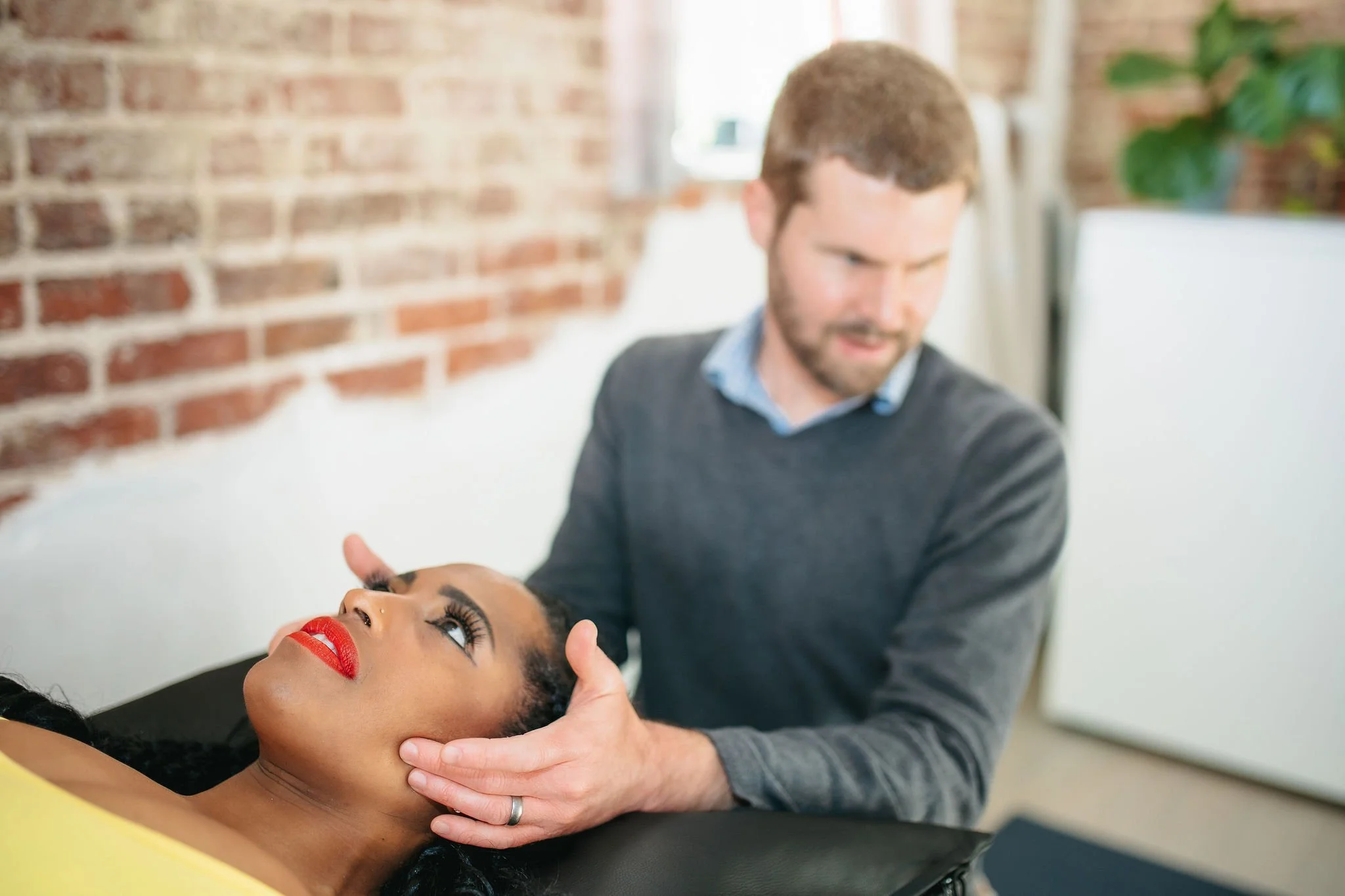
Your jaw and neck provide continuous sensory information to the brain. Changes in movement, muscle activity, or sensitivity can interact with headache, facial pain, and migraine.
We treat the jaw as part of the larger picture—not in isolation.
We specialize in:
TMJ/TMD
Jaw pain & clenching
Facial pain
Myofascial pain

Complex and Overlapping Conditions
Your headache may be only one piece of the picture.
We work with people experiencing migraine and headache alongside:
Dizziness & vestibular symptoms
Sensory sensitivity
Dysautonomia & POTS
Joint hypermobility/EDS
Neck pain & tension
Fibromyalgia/Persistent Pain
Ear pain & tinnitus
When symptoms overlap, care should connect the dots.
From Symptoms to a Clear Picture
So, what does it actually look like to work with us?
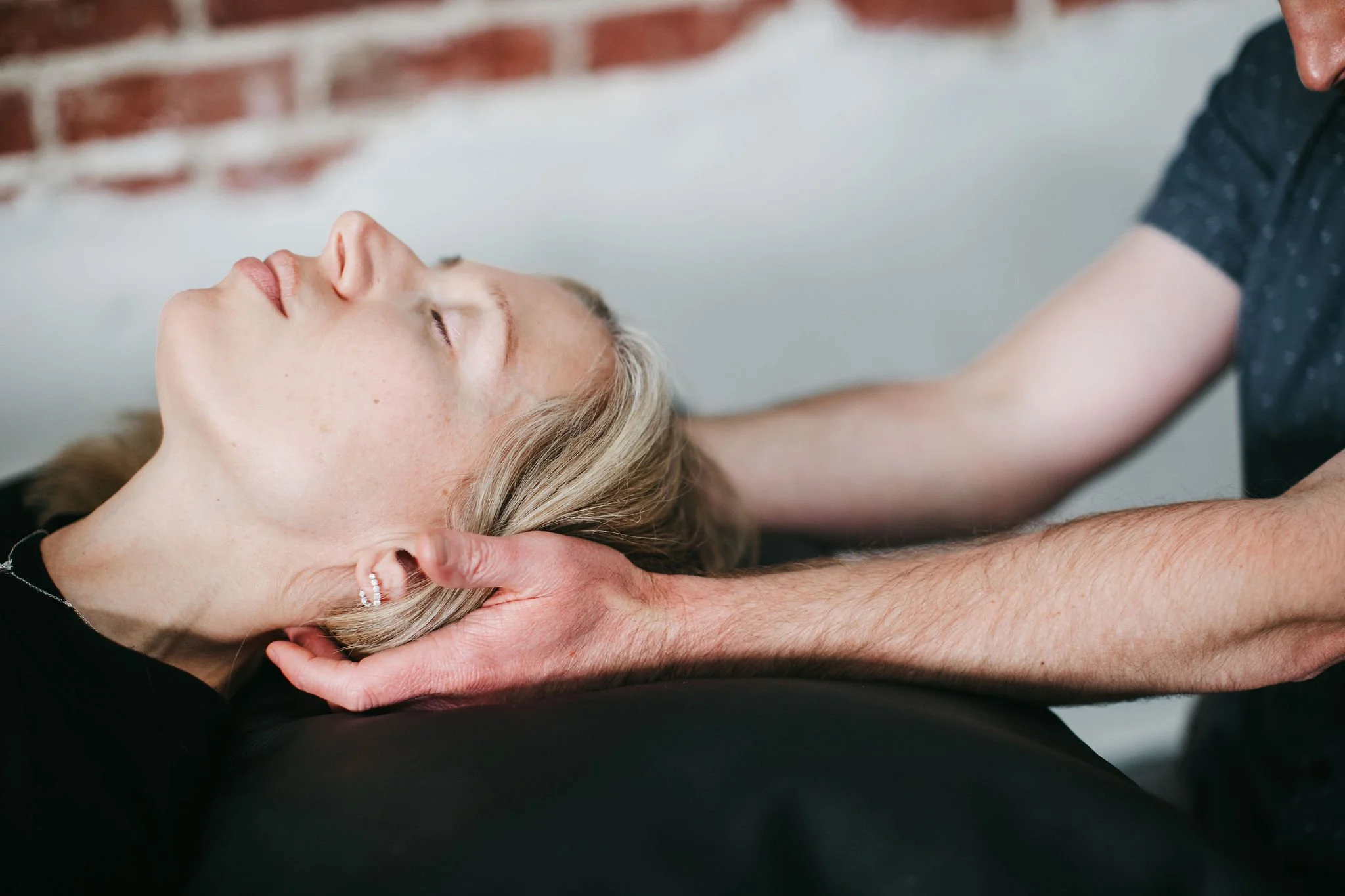
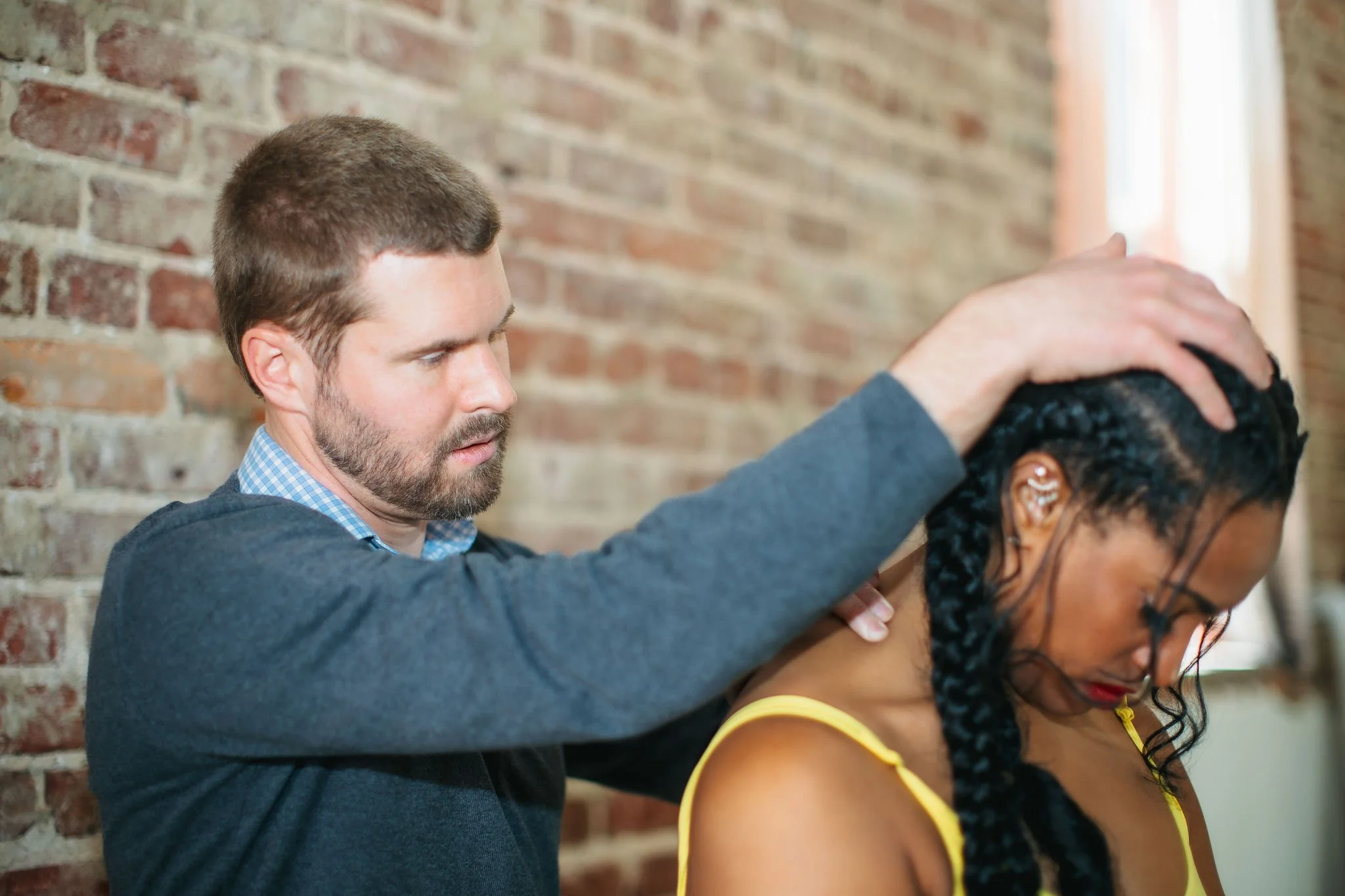
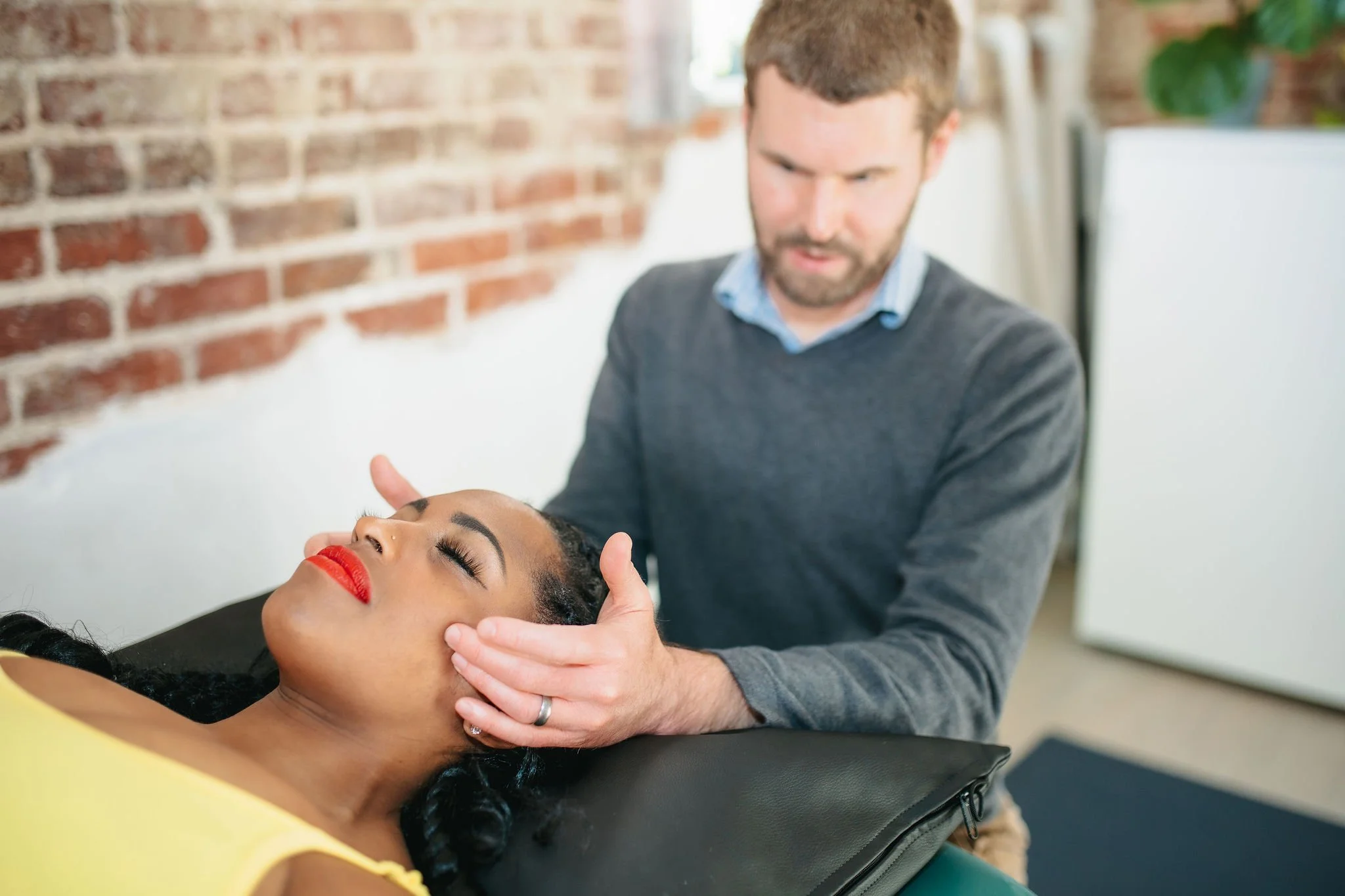
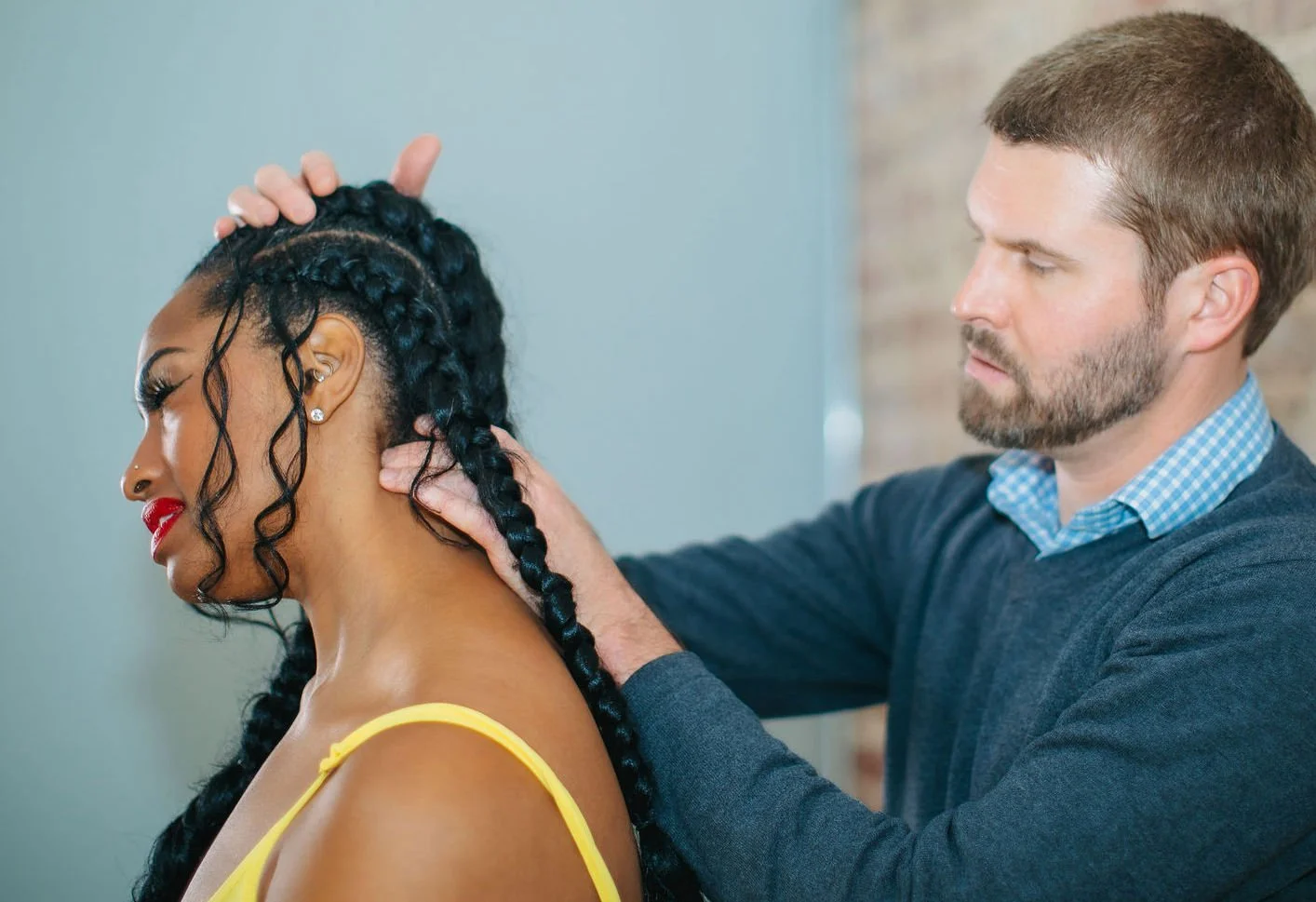
Your initial evaluation is 60 minutes, one-on-one with Dr. Hillman. We’ll explore your story, symptoms, what you’ve tried, and what you want to get back to doing. Then we’ll connect the dots, identify the key factors involved, and build a plan around your goals—so you understand what we’re working on, why it matters, and what comes next.
Our Brain & Body Approach
We focus on three interconnected systems:
Musculoskeletal system — especially cervical and jaw mobility, joint mechanics, muscle function, and movement control
Sensory systems — including oculomotor and visual function, vestibular function, balance, and sensitivity to movement or visual input
Autonomic nervous system — including your response to activity, position, exertion, and recovery
These systems are constantly communicating with your brain and influencing how you experience movement, sensation, and symptoms. Because the brain and body are adaptable, we use the principles of neuroplasticity to gradually change how these systems respond and build greater capacity over time.
From there, we build a plan around what we find and what you want to get back to doing.
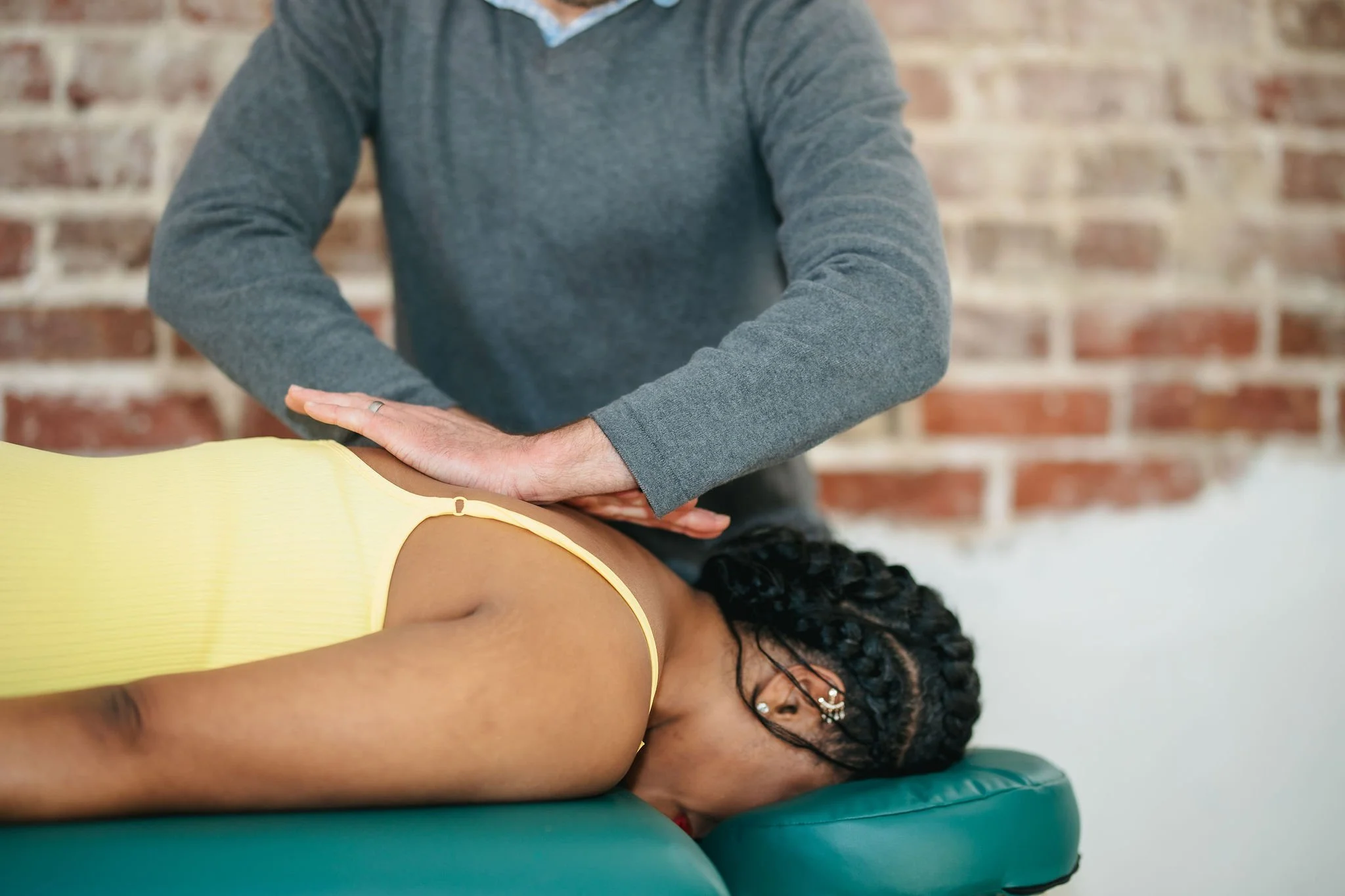
Treatment may include targeted manual therapy, sensorimotor and proprioceptive training, and neurological rehabilitation such as gaze-stability training, vestibulo-ocular exercises, visual-motion habituation, and graded sensory exposure.
No generic treatment plan. No treating one symptom in isolation. Just thoughtful care built around your body, your symptoms, and your goals.
What Does Progress Look Like?
Progress isn’t always about having zero symptoms.
It’s being able to do more without your symptoms making every decision for you.
Being present with your kids.
Going to dinner with friends.
Getting back to exercise.
Traveling.
Making plans with confidence.
More capacity. More confidence. More of your life.
Kind Words